5 Wheel Alignment Checks for Safer Driving

A wheel alignment check measures and corrects the angles of your vehicle’s wheels so they meet the manufacturer’s specifications. It helps prevent uneven tire wear, improves steering response, and keeps your vehicle tracking straight. Drivers in Sterling, VA, should schedule an alignment check after impacts, suspension work, or unusual handling changes.
What Is a Wheel Alignment Check?
A wheel alignment check is an inspection of three primary wheel angles:
- Camber: Whether the wheel leans inward or outward when viewed from the front.
- Toe: Whether the fronts of the tires point toward or away from each other.
- Caster: The angle of the steering axis, which affects stability and steering return.
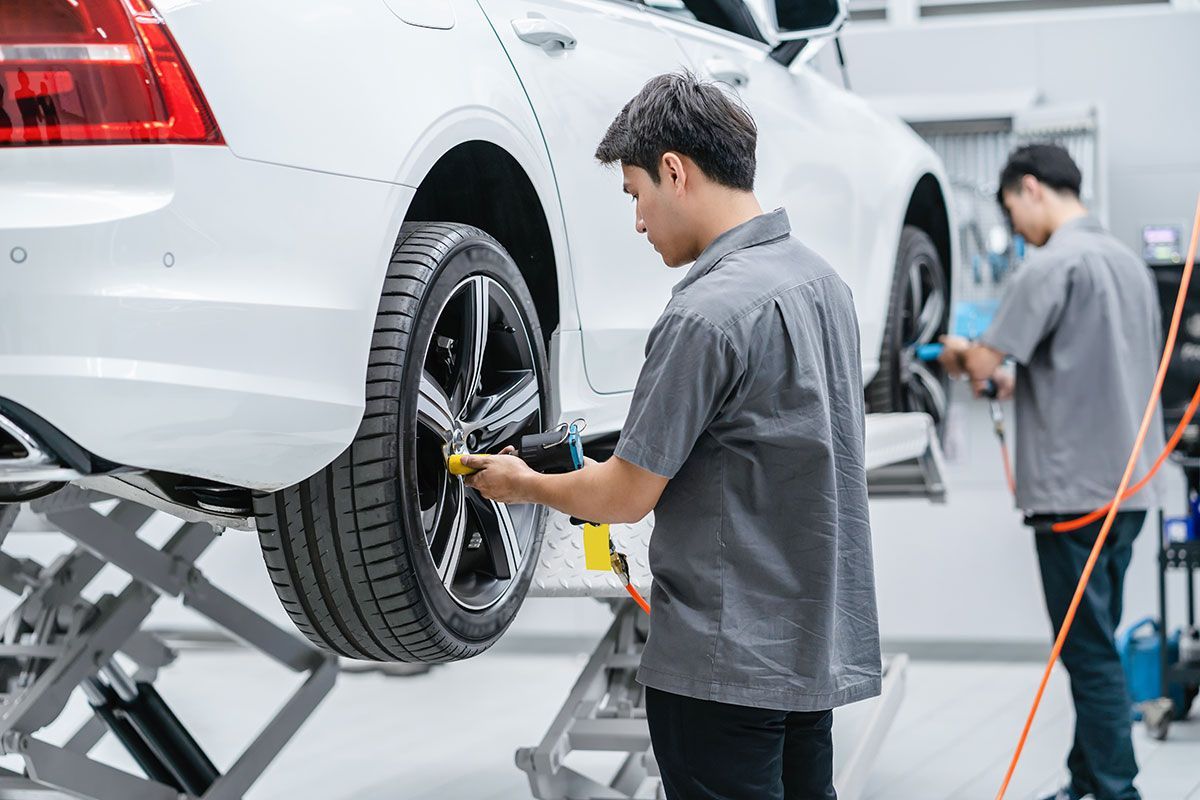
A technician uses specialized equipment to measure these angles. If they fall outside the recommended range, the technician adjusts the alignment when the vehicle’s suspension and steering components allow it.
Wheel alignment does not usually mean adjusting the tire itself. It involves setting suspension and steering geometry so the tires contact the road correctly.
Why Does Your Vehicle Need an Alignment Check?
Correct alignment supports safer, more predictable driving. When wheel angles are out of specification, the tires may scrub against the road instead of rolling evenly. That can reduce tire life and make the vehicle feel less stable.
An alignment check can help identify problems such as:
- Steering that feels off-center
- Uneven or rapid tire wear
- Pulling to the left or right
- A vehicle that wanders on straight roads
- Reduced confidence during cornering
Alignment is especially important for performance vehicles. Lowered suspension, wider wheels, stiffer springs, and other upgrades can change suspension geometry. After performance or suspension work, checking alignment helps confirm that the setup performs as intended.
For related maintenance, explore RevTech Performance’s wheel services , tire services , and auto repair options.
What Are the Signs You Need a Wheel Alignment?
Some alignment problems are obvious, while others develop gradually. Watch for these warning signs during normal driving:
Your Car Pulls to One Side
If your vehicle consistently drifts left or right on a reasonably level road, it may need an alignment check. Road slope, tire pressure, tire condition, and brake issues can also cause pulling, so a professional inspection is the best way to identify the source.
Your Steering Wheel Is Off-Center
A steering wheel that remains tilted while driving straight is a common alignment symptom. It can also indicate worn steering or suspension parts, particularly if the condition appeared after hitting a pothole or curb.
Your Tires Wear Unevenly
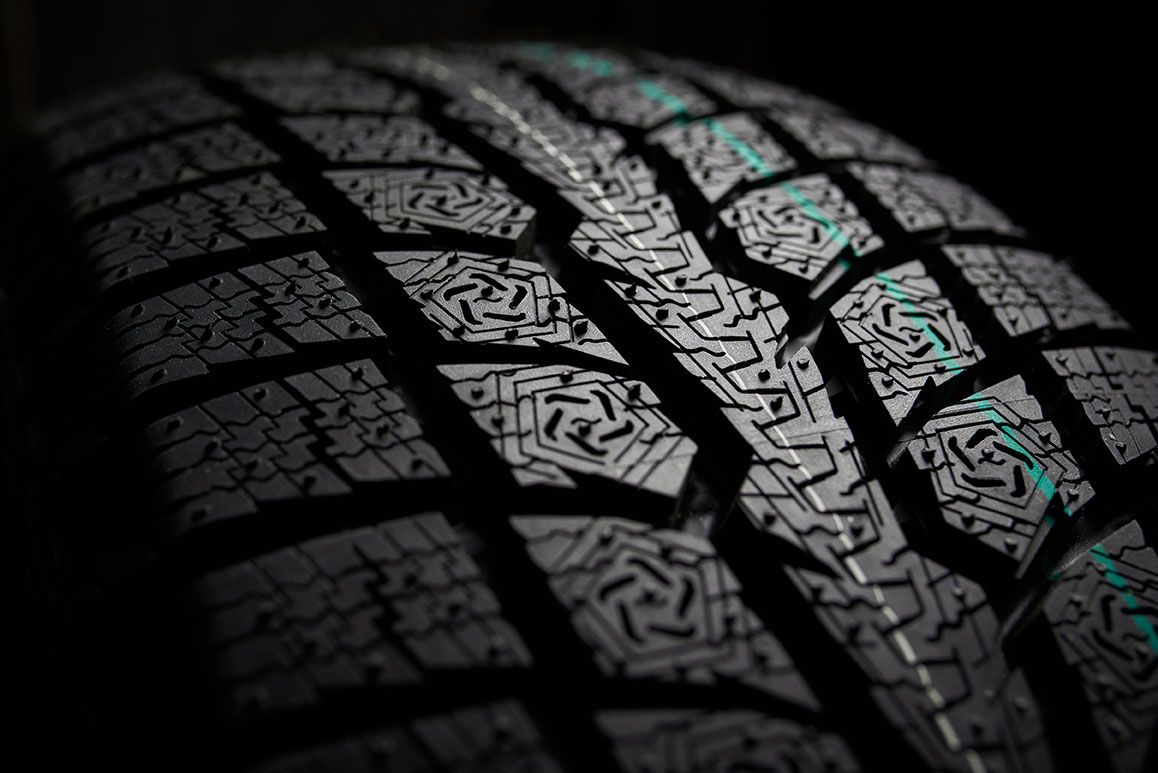
Inspect the inner and outer edges of your tires. Excessive wear on one edge, feathering across the tread, or a saw-tooth pattern can indicate incorrect alignment or another suspension concern. Check your tires regularly and address unusual wear before it affects safety.
Your Vehicle Feels Unstable
Wandering, delayed steering response, or difficulty holding a line can make highway driving tiring. These symptoms should not be ignored, especially when they appear with vibration, clunking, or changes in ride height.
When Should You Get an Alignment Check?
There is no single mileage interval that fits every vehicle. An alignment check is recommended in these situations:
- After hitting a pothole, curb, or road debris
- After replacing tires, wheels, or suspension components
- When installing lowering springs, coilovers, or other upgrades
- When the steering wheel is no longer centered
- When tire wear or handling changes unexpectedly
A tire installation does not always require an alignment, but checking alignment after new tires can protect your investment. If the old tires wore unevenly, installing new ones without correcting the underlying issue may repeat the problem.
Drivers who regularly travel rough roads around Sterling, Ashburn, Leesburg, and Northern Virginia should pay attention to handling changes. Impacts that seem minor can still affect suspension geometry.
How Long Does a Wheel Alignment Take?
A typical alignment inspection and adjustment may take about 45 minutes to 90 minutes, depending on the vehicle and the condition of its components. Additional time may be needed if the technician finds worn tie rods, control arms, ball joints, bushings, or other parts.
An alignment cannot correct a damaged or loose component. In that situation, the repair should be completed first. A technician then performs another measurement and sets the alignment accurately.
What Happens During a Wheel Alignment Service?
A professional wheel alignment service generally follows these steps:
- Initial inspection: The technician checks tire pressure, tread condition, steering, suspension, and ride height.
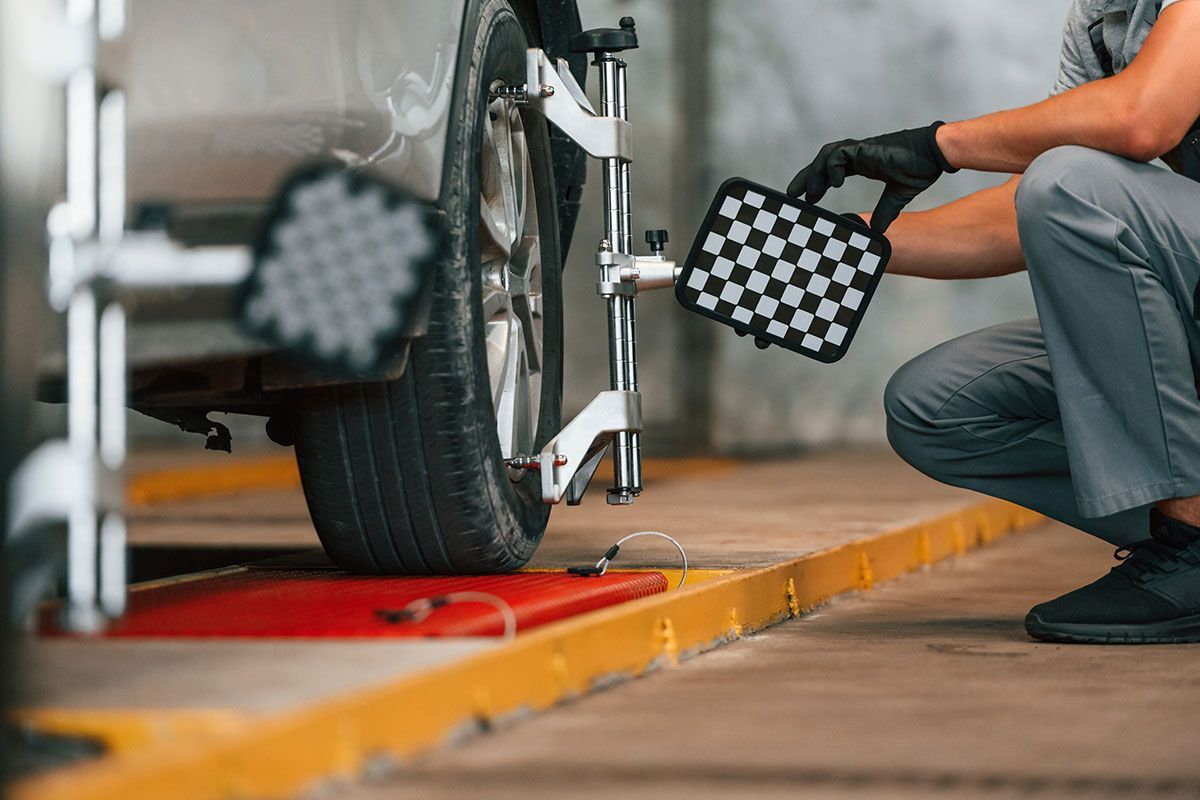
- Equipment setup: Alignment targets or sensors are mounted according to the vehicle and equipment requirements.
- Measurement: The system records camber, toe, caster, and other relevant readings.
- Comparison: Results are compared with manufacturer or approved performance specifications.
- Adjustment: The technician corrects adjustable angles and verifies the results.
- Final check: The vehicle is evaluated for steering-center and road-tracking concerns.
Quality equipment provides measurements, but experience still matters. A technician must interpret the readings, recognize worn parts, and account for modifications or the vehicle’s intended use.
Can Wheel Alignment Improve Tire Life?
Yes. Proper alignment can help tires wear more evenly by keeping the tread positioned correctly on the road. It cannot reverse existing damage, incorrect inflation, or normal wear, but it can help prevent premature wear after the issue is corrected.
Tire pressure remains important. Check pressure regularly using the vehicle manufacturer’s recommended settings, not the maximum pressure printed on the tire sidewall. Rotate tires according to the vehicle’s maintenance schedule, and have unusual tread wear inspected promptly.
RevTech Performance can also help you compare wheel and tire options through Shop for Wheels & Tires and review practical wheel care tips .
Is Alignment Important for Performance Cars?
Yes. Performance cars often place greater demands on tires, steering, and suspension. Aggressive driving, track use, aftermarket wheels, altered ride height, and upgraded suspension can all make alignment settings more important.
There is no universal “best” alignment. A street-driven vehicle may need settings that prioritize stable handling and even tire wear, while a track-focused setup may use different specifications for cornering performance. Your technician should consider how you drive, the vehicle’s modifications, and the tire type.
RevTech Performance serves enthusiasts who want dependable maintenance as well as performance upgrades. Learn more about performance and tuning or explore tuning services when alignment is part of a larger vehicle project.
How Can You Prepare for an Alignment Appointment?
To make the appointment more productive:
- Note when the handling problem began.
- Identify recent pothole impacts, curb contact, or repairs.
- Bring up changes to ride height, wheels, tires, or suspension.
- Check that the vehicle is not carrying an unusual load.
- Ask for a measurement report and recommendations for repairs.
These details help the technician distinguish an alignment issue from a tire, brake, steering, or suspension problem.
Alignment Check FAQ
Does an alignment check include tire balancing?
No. Alignment adjusts wheel angles, while balancing corrects weight distribution around the wheel and tire assembly. A vehicle may need one service, the other, or both.
Can I drive with bad alignment?
You may be able to drive briefly, but delaying service can increase tire wear and make handling less predictable. Have the vehicle inspected if it pulls, wanders, or shows uneven wear.
Does a Virginia safety inspection replace an alignment check?
No. A state inspection and a wheel alignment check serve different purposes. A vehicle can pass an inspection and still have alignment angles that cause tire wear or poor handling. Learn more about Virginia State Inspections .
Schedule Your Wheel Alignment in Sterling, VA
A wheel alignment check is a practical way to investigate pulling, an off-center steering wheel, uneven tire wear, or changed handling. It is also smart after suspension, wheel, tire, or performance upgrades. The right service begins with measurements and a complete inspection, not guesswork.
If your vehicle does not track straight or your tires are wearing unevenly, contact RevTech Performance in Sterling, VA, to schedule a wheel alignment . The team can evaluate alignment, tires, steering, and suspension, then explain the next step clearly.