Understanding the Causes of Tire Wear

Tire wear is a common concern for vehicle owners. It affects both safety and performance on the road. Understanding its causes can help prevent costly repairs. Uneven tire wear can lead to poor handling and reduced fuel efficiency. Regular maintenance is key to extending tire lifespan.
Factors like tire pressure and alignment play a crucial role. Ignoring these can result in premature tire replacement. Driving habits also impact tire wear. Aggressive driving can accelerate the process.
Environmental conditions, such as road surfaces and temperature, contribute too. Being aware of these factors is essential.
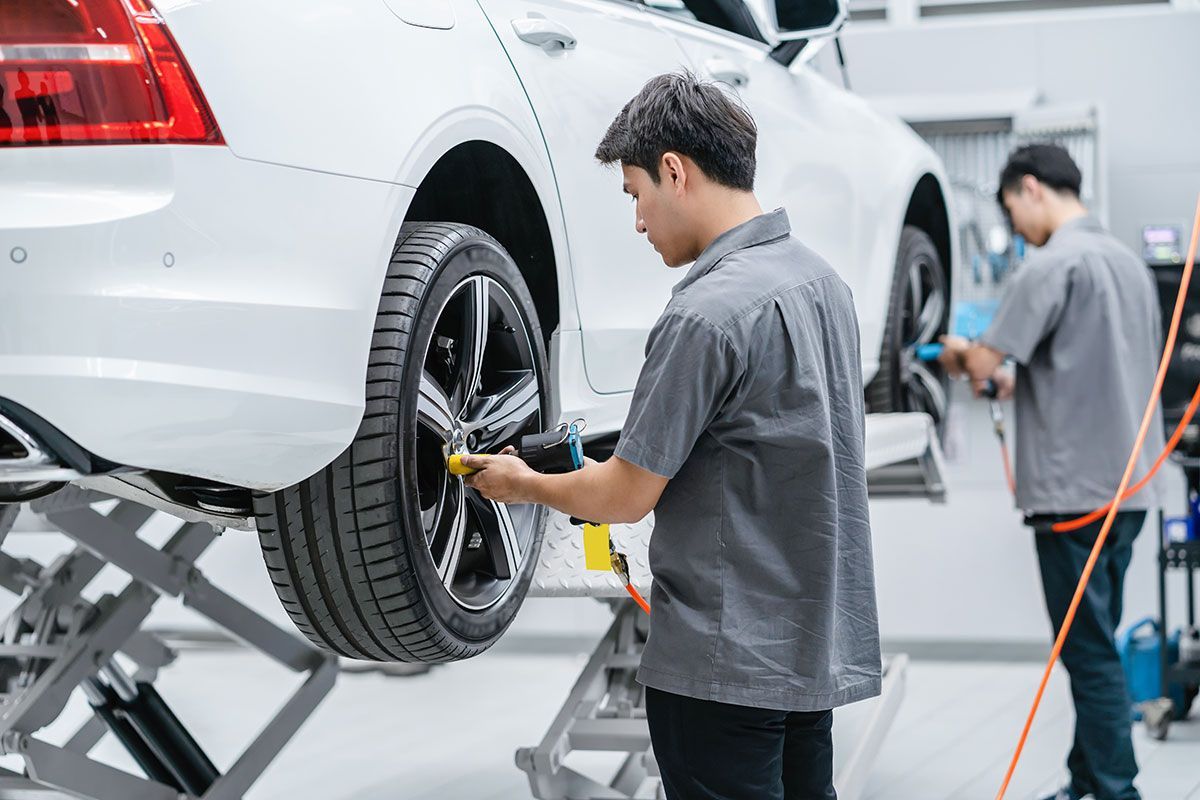
In Sterling VA, professional services like RevTech Performance offer expert tire care. They can help you maintain your cars optimal tire health.
What Is Tire Wear and Why Does It Matter?
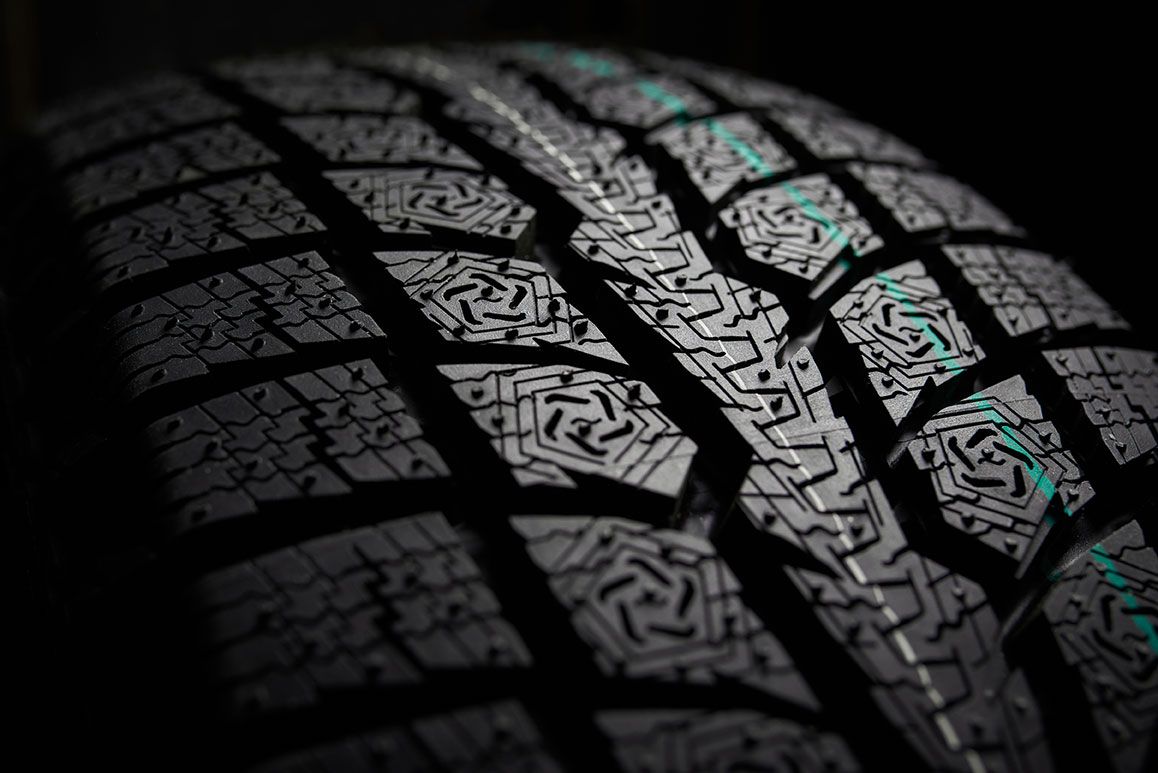
Tire wear refers to the gradual degradation of a tire's surface over time. As tires are used, their tread depth wears down. This can impact both safety and vehicle performance.
The tread on your tires plays a crucial role in road grip and handling. When tire tread wears down, it compromises safety. Worn tires can lead to longer stopping distances and reduced traction, especially in wet conditions.
Understanding the importance of tire wear is vital for every driver. Here's why it matters:
- Affects braking distance
- Reduces fuel efficiency
- Increases the risk of blowouts
By regularly checking your tires, you can ensure they remain in good condition. Monitoring tire tread depth helps prevent accidents and improve fuel economy.
Common Causes of Tire Wear
Tire wear can happen for various reasons, and understanding these causes is essential. Several factors can accelerate tire wear, compromising tire performance and safety.
- Improper Tire Pressure: Incorrect tire pressure affects tire contact with the road. Both overinflation and underinflation can lead to uneven wear patterns.
- Poor Tire Alignment: Misalignment causes tires to wear unevenly, affecting handling and safety. It may also lead to vibrations and reduced fuel efficiency.
- Lack of Regular Tire Rotation: Without rotation, certain tires wear faster than others. Regular rotation helps distribute wear more evenly across all tires.
- Driving Habits and Environmental Factors: Aggressive driving and harsh road conditions can increase wear rates. Weather and temperature changes can also impact tire health.
Monitoring and addressing these causes can extend tire lifespan. Routine inspections and maintenance are crucial.
Improper Tire Pressure
Maintaining the right tire pressure is crucial for tire longevity. Both overinflated and underinflated tires can lead to premature wear.
Overinflation reduces the tire's contact area, causing wear in the center. Conversely, underinflation increases the contact area and causes edge wear. Both conditions also affect fuel efficiency and vehicle handling.
Check your tire pressure monthly to ensure they meet the recommended levels. A quality pressure gauge can help with this task. Proper pressure maintains fuel economy and tire life.
Poor Tire Alignment
Proper tire alignment is critical for even tire wear. Misaligned tires can lead to uneven wear patterns and reduced vehicle control.
Alignment issues often result in a noticeable pull to one side while driving. They can also cause vibrations or unusual steering wheel positions. Regular alignment checks should be part of your vehicle maintenance routine. These checks can prevent excessive wear and improve handling.
In Sterling VA, local experts can assist with alignment services.
Lack of Regular Tire Rotation
Tire rotation is essential for promoting even wear. Rotating your tires regularly allows all tires to share the load equally. Front tires tend to wear faster due to steering and drivetrain stresses. Without rotation, these tires may need replacement sooner. Regular rotation can prevent this and extend tire life.
Follow a schedule of rotating tires every 5,000 to 8,000 miles. This practice helps ensure all tires wear evenly. Regular rotation is a simple and effective way to prolong tire longevity.
Driving Habits and Environmental Factors
How you drive greatly affects tire wear. Aggressive habits like hard braking and fast cornering can accelerate tread wear. Slow and steady driving helps preserve tires.
Environmental conditions also play a role. Harsh weather or poor road surfaces can damage tires. Temperature changes can impact tire pressure, leading to uneven wear.
Adopting moderate driving habits can make a big difference. Adjust tire maintenance routines according to seasonal changes. This proactive approach helps mitigate wear from environmental factors.
Types of Tire Wear Patterns and What They Mean
Understanding tire wear patterns can offer insights into potential issues with your vehicle. Each pattern tells a story about underlying problems and usage conditions.
Different wear patterns often indicate specific maintenance needs. For instance, if the tread wears more on one side, it might suggest alignment issues. If the center tread wears faster, overinflation could be the culprit.
Some common tire wear patterns to watch for include:
- Feathering: Uneven edges on the tread, often due to misalignment.
- Cupping: Indentations across the tread, usually indicating suspension problems.
- Flat Spots: Generally resulting from sudden hard braking.
Recognizing these patterns is crucial for maintaining tire health and vehicle performance. Addressing these issues promptly can prevent further wear and extend tire life. Regular tire inspection can help catch these signs early.